
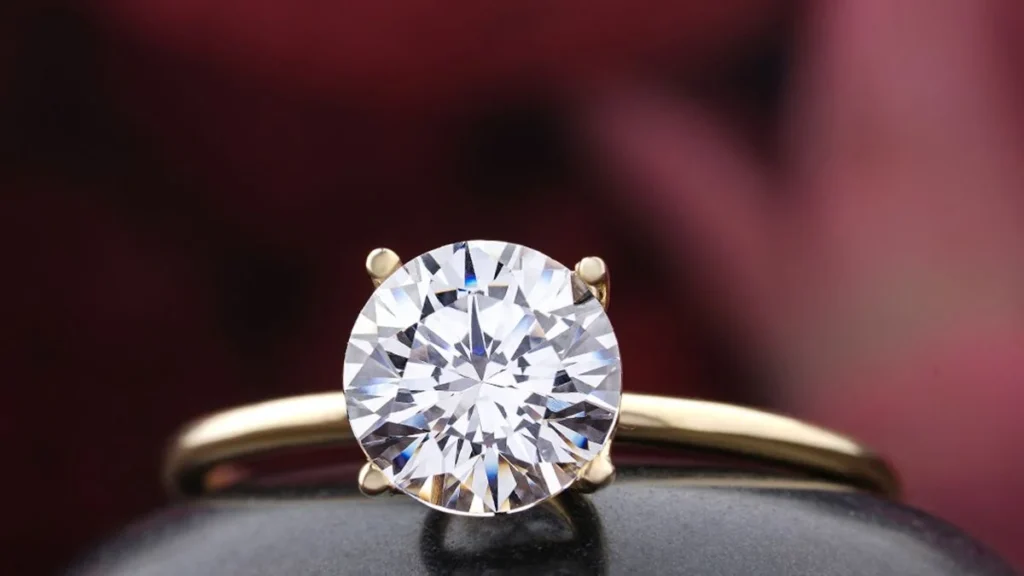
Rare Carat has earned a distinctive position in the online diamond retail landscape by doing something that most traditional and online jewelry retailers have historically avoided: making diamond pricing genuinely transparent. The platform’s approach — aggregating certified loose diamonds from multiple vendors, applying AI-powered price analysis, and allowing direct comparison shopping across a massive inventory — represents a fundamentally different philosophy from the opaque, high-margin retail model that has characterized diamond sales for most of the industry’s history. You can Search here to see the platform’s full loose diamond inventory and understand exactly what distinguishes its approach from alternatives. This article examines what Rare Carat offers, how its model works, and who benefits most from using it.
The Rare Carat Model: Aggregation, AI, and Price Transparency
Rare Carat operates as a diamond marketplace and price comparison platform rather than a traditional retailer. Rather than holding inventory and marking it up through its own supply chain, Rare Carat aggregates certified diamonds from multiple vendors — typically 150,000+ stones at any given time — and presents them in a unified interface that allows buyers to filter, compare, and evaluate options across the full range of the 4Cs (cut, color, clarity, and carat weight) simultaneously.
Understanding what makes an online retailer trustworthy — transparency, verified quality, consumer education — applies across industries. The same principles are explored in the context of professional services in how specialist expertise builds patient trust in cardiology and in the framework of strategic brand authority and marketing positioning.
The AI pricing analysis that Rare Carat applies to listed diamonds is one of its most distinctive features. Rather than simply listing diamonds at vendor prices, the platform analyzes each stone against comparable diamonds in the market and provides an independent assessment of whether the listing price represents good, fair, or below-average value. This functionality addresses one of the most significant information asymmetries in diamond purchasing: the fact that most buyers have no reliable way to evaluate whether a specific diamond is priced appropriately.
Understanding the 4Cs Through Rare Carat: Cut, Color, Clarity, Carat
Rare Carat’s educational infrastructure makes the platform useful even for buyers who are not yet ready to purchase. The platform provides extensive diamond buying guide content covering the 4Cs grading system with specificity and practical guidance that generic jewelry industry resources often lack.
- Cut: the most important quality factor for a diamond’s visual appeal, determining how effectively light enters and reflects through the stone. Rare Carat’s filtering tools allow sorting by cut grade from certified laboratories (GIA, AGS), with educational content explaining what different cut grades look like in practice.
- Color: graded on a D-Z scale from colorless to visible yellow or brown tint. Rare Carat provides guidance on which color grades are imperceptible in different settings and metal colors, helping buyers avoid over-paying for colorlessness that cannot be detected in the finished piece.
- Clarity: the presence of inclusions and blemishes on a scale from Flawless to Included. Rare Carat’s guidance helps buyers understand which clarity grades are “eye-clean” (inclusions invisible to the naked eye) — a critical distinction that allows significant price savings versus grades that exceed what’s visually meaningful.
- Carat: diamond weight and the primary driver of price. Rare Carat’s price transparency tools are particularly valuable for understanding carat weight price points, as diamond prices increase non-linearly around whole- and half-carat benchmarks.
Lab-Grown Diamonds on Rare Carat: What Buyers Should Know
Rare Carat offers extensive lab-grown diamond inventory alongside natural diamonds, and the platform’s comparative tools are particularly useful for buyers navigating the natural versus lab-grown decision. Lab-grown diamonds are chemically, physically, and optically identical to natural diamonds — the only difference is their origin. They typically sell for 50-80% less than comparable natural diamonds, a price differential that has grown as lab-grown production has scaled.
For consumers navigating significant purchase decisions online, the broader landscape of transparent digital commerce is informed by the data literacy skills discussed in data analytics career training and consumer data skills.
For buyers who prioritize visual quality and size over long-term value considerations, lab-grown diamonds on Rare Carat offer significant advantages: the ability to purchase a larger, better-quality stone within a given budget than natural diamonds would allow. For buyers who place value on rarity and the geological origin narrative of natural diamonds, or who are concerned about the rapidly declining resale values of lab-grown diamonds, natural diamonds may be the appropriate choice. Rare Carat’s platform presents both options transparently, without steering buyers toward the more profitable alternative.
Rare Carat vs. Traditional Jewelers: Honest Comparison
Traditional brick-and-mortar jewelry retail typically operates on margins substantially higher than what Rare Carat’s marketplace model enables. The reasons are structural: physical retail locations, sales staff, display inventory costs, and brand marketing overhead all require higher margins than a lean digital marketplace. The trade-off is the in-person experience: the ability to physically examine stones, work with knowledgeable salespeople, and have immediate access to finished jewelry and customization services.
Rare Carat sits between full-service brick-and-mortar retail and direct vendor purchasing. It provides the comparison transparency and price analytics of a digital marketplace while connecting buyers to vendors who can often provide setting services and finished ring production. For buyers who have done enough education to evaluate diamond quality specifications with confidence, this model delivers significant price advantages. For buyers who are genuinely new to diamonds and want significant hand-holding through the process, supplementing Rare Carat’s digital resources with consultation from a knowledgeable jeweler may be worthwhile.
How to Use Rare Carat Effectively: A Step-by-Step Approach
- Educate first: spend time with Rare Carat’s educational content on the 4Cs before applying any filters. Understanding what you are optimizing for prevents misallocation of budget.
- Determine your priority hierarchy: most buyers should prioritize cut above all other quality factors, as it most directly determines the stone’s visual appeal.
- Set budget and minimum quality thresholds: establish non-negotiable minimums for cut (at least Very Good, ideally Excellent/Ideal), then optimize color and clarity within budget.
- Use the AI price analysis filter: filter for “Good Value” or better to avoid overpaying relative to comparable stones on the market.
- Request certificates and images: certified diamonds should come with laboratory grading reports (GIA, IGI, AGS); request high-quality photographs or videos before purchase.
Customer Experience and Trust Factors at Rare Carat
Consumer trust is the central challenge for any online luxury purchase, and Rare Carat addresses it through third-party certification requirements, independent price analysis that benefits buyers rather than the platform, and customer review transparency. The platform’s review ecosystem and reputation management approach reflect a consumer-alignment that many traditional retailers have not prioritized. Using smart budgeting tips for major purchases helps buyers approach high-value decisions with appropriate preparation.
Conclusion: Is Rare Carat the Right Choice for Your Diamond Purchase?
Rare Carat is the right choice for buyers who value price transparency, want access to the full market range of certified diamond inventory, and are willing to do the research required to evaluate quality specifications. It is particularly well-suited to buyers who have defined budgets for engagement ring diamonds and want to maximize quality within those budgets. For buyers who want the full in-person retail experience or who need significant expert guidance through the process, supplementing Rare Carat’s digital tools with professional consultation will produce the best outcome.



