
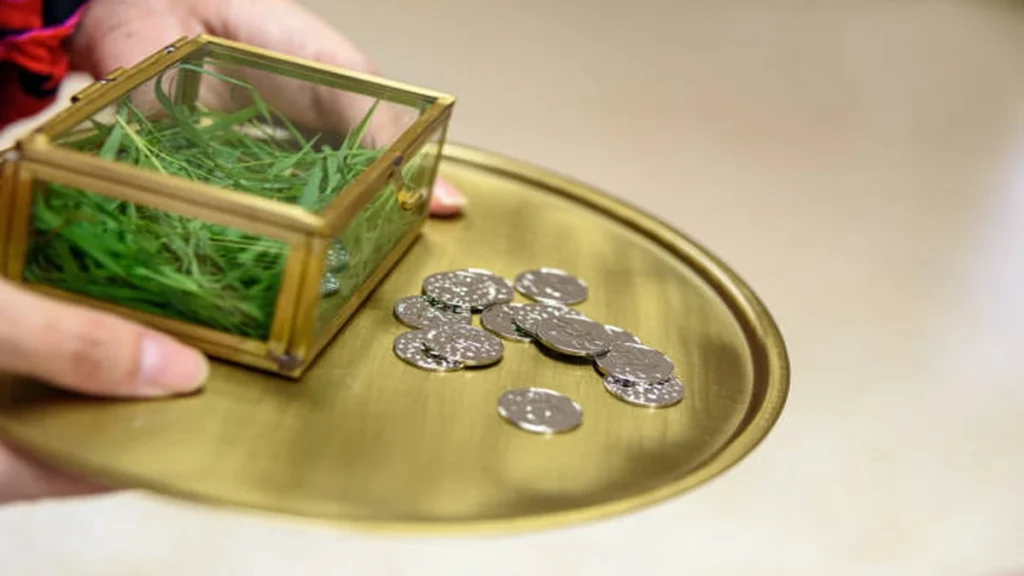
Introduction to Arras Wedding
Most people first discover Las Arras at a Catholic wedding and immediately wonder about the thirteen coins — a custom from Spain and Rome that speaks to prosperity, unity, and the depth of commitment in marriage.
What makes the arras remarkable isn’t just history — it’s how Hispanic cultures and Filipino heritage shaped this tradition across generations, turning a simple exchange of gold coins into a ceremony of shared love and unity.
Today, padrinos present blessed coins to the bride and groom during wedding ceremonies as a living symbol of mutual support, abundance, and devotion — a sincere promise between two people actively building a prosperous life together.
History and Origin of Arras Wedding
Few realize arrhae predates Christianity. Ancient Rome embedded this tradition in civil contracts — a bride price exchanged to formalize unity. That Roman practice quietly evolved into what we recognize as Las Arras Matrimoniales across Spain.
Early Spanish missionaries carried arras de boda into Latin American and Filipino cultures, reshaping earnest money into spiritual meaning — thirteen gold coins linking bride and groom through financial commitment, shared responsibility, and lifelong dedication together.
What began as bride wealth in Roman contracts became a Catholic sacrament of cultural heritage. Hispanic wedding traditions carry this pivotal moment — arras para boda symbolizing prosperity, equality, and cultural significance within a unity ceremony.
What Are Las Arras? Meaning of the 13 Coins in an Arras Wedding
Las arras, called arras matrimoniales or unity coins, are 13 silver coins exchanged during Catholic Hispanic wedding ceremonies as a symbolic ritual representing mutual support, commitment, and a prosperous, rich future for husband and wife.
Far from a simple dowry, the Arras money links to Jesus Christ and His twelve apostles, with the thirteenth coin representing God’s blessings. Together, they reflect twelve months of charity, trust, generosity, and sharing goods.
Beyond wedding paraphernalia, las arras signal a union of peace, harmony, joy, and wholeness. The Coin Bearer presents these round coins to the officiant, sealing the couple’s promise to manage finances jointly for their home.
What Happens During the Arras Wedding Ceremony
The arras coin ceremony unfolds after vows and the blessing of the rings, making it the last ritual. A coin bearer carries the ornate box forward, then hands it directly to the priest for blessing.
The officiant or Sponsor recites a blessing before the groom pours 13 gold coins into the bride’s hands. This exchange carries symbolic value — representing financial responsibility, trust, and a shared commitment to married life together.
Once the coins pass from groom to bride and back, generosity and wholeness are sealed within the bond. The monedas de arras rest in their pouch or chest — a keepsake honoring Hispanic heritage and faith.
Who Buys and Provides the Arras
Having witnessed countless arras ceremonies, I can confirm: godparents — the dedicated padrinos and madrinas — most often purchase and provide the coins, treating this sacred responsibility as a deeply cultural and heartfelt gift of enduring love.
Not limited to godparents, a close relative, best friend, or confirmation sponsors may also step in. Many arras sets become a family heirloom, passed from grandparents or parents, carrying deep knowledge of meaningful wedding traditions.
The couple may also purchase the arras themselves in modern ceremonies. Whoever ultimately provides them, the true intention mirrors life’s deeper promise — shared wealth, steadfast mutual support, and a bright silver thread of enduring commitment.
The Arras Wedding Tradition in Different Cultures
In the Philippines, arras coins entered weddings through Hispanic influence, carrying deep Christian roots. Unlike in Latin America, Filipino couples treat this cultural practice as a family affair tied to community bonds and shared prosperity.
Spanish wedding traditions, built on Visigothic law and Mozarabic origin, shaped regional coin choices differently. Mexico favors Mexican currency while the Philippines uses authentic Philippine coins or peso replicas, each honoring a couple’s religious background.
Today, even non-Catholic and non-denominational couples embrace arras, personalizing coin boxes with religious images or family crests. The symbolic dowry transcends its historical roots, becoming a worldly goods pledge resonating universally beyond any single faith.
How to Adapt the Arras Money Ceremony
Adapting the arras money ceremony starts by honoring its spiritual meaning while allowing modern meaning to emerge more deeply. Each couple’s cultural background shapes whether they maintain the liturgical gesture or personally reimagine their pledge.
Richer traditions deserve thoughtful revision. Some couples skip the coin bearer entirely, letting godparents pass the pouch directly, while others choose engravable coins inscribed with a date, transforming symbolic moments into lasting keepsake presentation memories.
Inclusive adaptations allow poorer communities to still honor arras tradition. Using silver plated or rhinestone coins instead of precious sets ensures the financial responsibilities symbolized through cupped hands never truly diminish welfare, partnership, or blessing.
The Arras Coin Box and Container
The coin box is rarely the centerpiece conversation, yet its style and craftsmanship silently speak volumes. A well-chosen keepsake box transforms into a treasure chest, preserving the arras coins and their lifelong marital promise beautifully.
Many couples request crystal finishes or floral effects engraved on the container, making it a truly memorable occasion artifact. Some designs include horseshoes for luck, while the cushion inside cradles coins with quiet, intentional elegance.
Traditionally, the ring bearer or an entourage member carries the container to the altar. Beyond the ceremony, this box travels into the honeymoon and beyond — a coin-bearer of memory, never simply decorative, always deeply symbolic.
Where to Buy Arras Wedding Coins and Sets
Local gift shops and online platforms both serve couples searching for quality arras sets. Retailers in Los Angeles, California ship coin boxes nationwide with free shipping, making individual sellers increasingly popular among budget-conscious buyers.
Rhinestones, scattered crystals, and silver tone finishes define most modern arras sets available today. Couples mindful of budget can find keepsake treasure box options with fast shipping, without ever sacrificing cultural authenticity or fine craftsmanship.
Personalized arras with engraved initials or last names on the lid are increasingly sought after. A reliable vendor known for punctuality and precision in delivery ensures your chosen 20mm coin shape set arrives perfectly prepared.
Legal and Religious Background of Arras Wedding
The civil law contract origins of arras carry pre-contract significance, where contract earnest defined legal value. Money exchanged during Matrimony historically bound couples through enforceable obligations, making the ceremony far more than symbolic ritual alone.
The United States Conference of Catholic Bishops adapted arras within the English Order of Celebrating Matrimony, releasing the English language version in September 2016, legitimizing this Hispanic rite as an approved rite within Church canon.
Earlier 2010 documentation included Spanish text references, but Latin tradition demanded broader recognition. Today, non-Catholic and interfaith couples treat arras as a symbolic gesture, honoring its legal heritage without strict canonical requirements governing ceremony participation.
To discover more traditions, visit our wedding resource center.
Arras Wedding FAQs
What Are Wedding Arras?
Wedding arras are wedding tokens — thirteen gold wedding coins exchanged during the marriage ceremony. Carried in a treasure chest box, they represent the groom’s lifelong role as provider, symbolizing housekeeping, financial care, and shared commitment.
Why Are There 13 Coins in an Arras Wedding?
The thirteenth coin honors Jesus; the remaining twelve represent the twelve apostles and twelve months. Together, they embody cooperation, harmony, nurturing, peace, joy, and happiness — a provider’s promise of a rich future despite poor circumstances.
When Does the Arras Ceremony Happen?
During the ceremony, the betrothed approach the altar after vows and rings. The padrino de arras and madrina de arras present the treasure chest to the celebrant, marking this last ritual before the entourage exits.
Who Buys the Arras?
Traditionally, the groom’s parents or grandparents provide the arras as a meaningful family heirloom. A close relative, best friend, or confirmation sponsors may also purchase this gift, passing on wealth and knowledge to each partner.
Can Non-Catholic Couples Use Arras?
Non-Catholic couples openly use arras as a symbolic gesture honoring Latin tradition. Beyond Church Matrimony, it suits a civil law contract, where the money, value, and pre-contract essence of this approved rite stays deeply meaningful.
Can Arras Coins Be Personalized?
Yes — modern arras sets welcome personalization. Couples choose personalized boxes with crystals, high-quality rhinestones, and ornate detailing. Electroplated finishes and teardrop crystals allow each set to reflect the couple’s story, making tradition feel unmistakably personal.
What Do Arras Coins Look Like?
Arras coins come in oval, heart-shaped, square, and rectangle forms, styled with floral design, leaf effects, scattered crystals, or lovebirds motifs. Some are Rhodium plated rhinestone coins; others feature birdcage design and vintage horseshoes detailing.
Where Can I Buy Arras Wedding Sets?
Online shops, local gift shops, and individual sellers serve the Hispanic population seeking arras sets. Los Angeles, California offers caja de aras and Cajas Platiadas Para Aras, often with fast shipping and free shipping included.


