
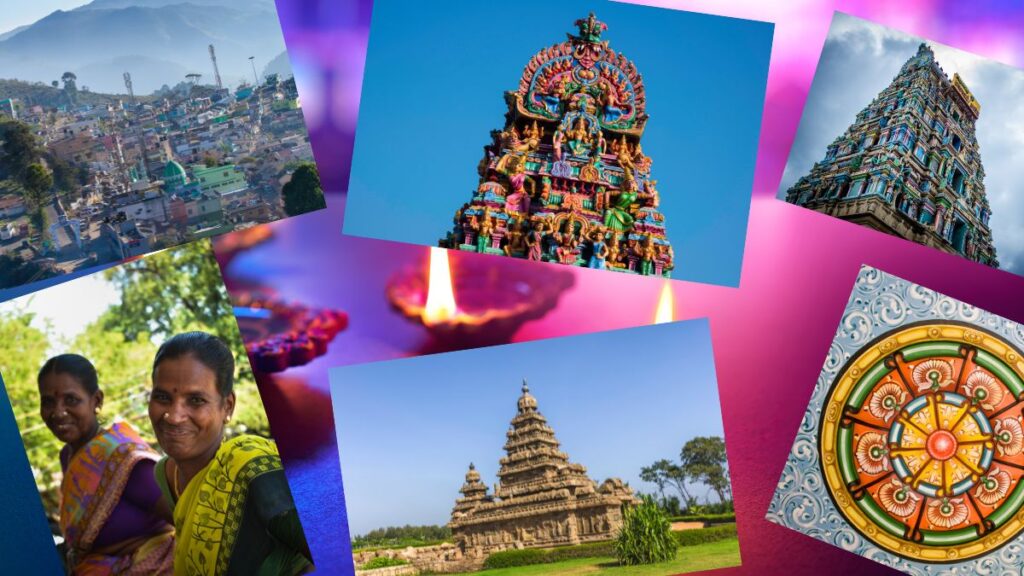
The Tamil Kamma community represents one of the many richly layered ethnic and social groups that together constitute India’s cultures — a vast, layered tapestry of regional identity, historical tradition, and living practice. Tamil Kamma people, rooted primarily in Tamil Nadu and parts of coastal Andhra Pradesh, carry a heritage that intersects Dravidian cultural traditions with the specific occupational history of an agricultural landowning class. Understanding Tamil Kamma means examining not just caste history, but language, ceremony, cuisine, craft, and the ways in which a community maintains cultural coherence across generations and geography. This article explores the Tamil Kamma community in depth — its origins, customs, diaspora, and contemporary identity.
Who Are the Tamil Kamma? Origins and Historical Context
The Kamma community’s origins are the subject of scholarly discussion, with historians pointing to evidence of Kamma presence in Tamil Nadu going back more than a thousand years. Traditionally associated with agricultural landholding and military service, the Kamma community developed a reputation for both economic productivity and martial capability during the medieval period, particularly under the Vijayanagara Empire, which drew heavily on Kamma warriors and administrators for its administrative and military apparatus.
The Tamil Kamma sub-group represents the community’s presence specifically within the Tamil cultural sphere, distinguished from the numerically larger Andhra Kamma population by distinct cultural practices, Tamil language dominance, and historical geographic concentration in Tamil Nadu’s fertile agricultural regions. South Indian caste history is complex and context-dependent — the Tamil Kamma identity is shaped as much by Tamil Nadu’s specific regional culture as by pan-Kamma heritage.
The Kamma Community in Dravidian Cultural Context
Dravidian cultures — those rooted in the Dravidian language family of South India, which includes Tamil, Telugu, Kannada, and Malayalam — share certain broad cultural characteristics while maintaining sharp regional distinctions. The Tamil Kamma community participates in Tamil Dravidian culture through language, religious practice centered on Shaivite and Vaishnavite temples, classical artistic traditions including Carnatic music and Bharatanatyam dance, and agricultural ceremonial calendars tied to Tamil seasonal observance. These are not merely historical connections — they constitute living cultural practice for many Tamil Kamma families today.
Tamil Kamma Cultural Traditions: Ceremony, Ritual, and Celebration
Tamil Kamma cultural traditions are most visibly expressed through lifecycle ceremonies — birth rituals, coming-of-age ceremonies, marriage customs, and funerary practices — that blend Tamil Hindu religious observance with community-specific practices distinct to the Kamma tradition. Tamil Kamma weddings, for instance, follow the general structure of Tamil Hindu marriage ceremony while incorporating specific customs around bride price negotiation, ritual exchanges between families, and post-wedding observances that differ from neighboring Tamil communities.
Agricultural festivals occupy an equally important place in Tamil Kamma ceremonial life. Pongal — the harvest festival celebrated across Tamil Nadu in January — carries particular significance for a community whose historical identity is rooted in agricultural productivity. The Tamil Kamma celebration of Pongal typically involves elaborate rituals around the new harvest, community feasting, and the decoration of cattle, which historically represented both economic wealth and sacred status.
Language and Literature: The Role of Tamil in Kamma Identity
Tamil is one of the world’s oldest living classical languages, with a literary tradition extending back more than two thousand years. For Tamil communities, Tamil language proficiency is both a cultural marker and a practical identity claim — it distinguishes them from the Andhra Kamma community’s Telugu cultural orientation and anchors them firmly within Tamil Nadu’s regional culture. Tamil Kamma families typically maintain Tamil as the primary home language across generations, even in diaspora contexts where surrounding communities have shifted to English or other languages.
The community has also produced Tamil literary figures, poets, and scholars across centuries, contributing to Tamil Nadu’s broader intellectual heritage. Classical Tamil poetry, particularly the Sangam literature tradition, is held in high esteem within Tamil Kamma educational culture, reflecting the community’s historical association with landholding classes who patronized arts and letters.
Tamil Kamma Cuisine: A Culinary Tradition Rooted in the Land
Tamil Kamma cuisine reflects both Tamil Nadu’s agricultural richness and the community’s specific culinary traditions developed over centuries of farming culture. Rice is the foundational grain — prepared in dozens of ways from simple steamed servings to elaborate festival dishes — accompanied by lentil-based sambar, coconut-enriched chutneys, and a rotating cast of vegetable preparations that follow seasonal availability.
Like many South Indian agricultural communities, Tamil Kamma food culture developed around the rhythms of planting and harvest. Festival foods are richer and more labor-intensive than everyday cooking, with sweets made from newly harvested rice, jaggery, and coconut appearing at Pongal and other seasonal celebrations. This relationship between food, land, and ceremony is a thread that connects Tamil Kamma culinary practice to the ancient craft traditions and cultural identity of agricultural communities worldwide.
The Tamil Kamma Diaspora: Culture Across Geographic Boundaries
Tamil emigration in the 20th and 21st centuries has distributed Tamil Kamma communities across Southeast Asia, the Gulf states, Western Europe, North America, and Australia. The Tamil diaspora experience involves the characteristic tension between cultural preservation and integration — maintaining Tamil language, religious practice, and community institutions in contexts where they exist as minority cultures within majority cultures.
Tamil Kamma diaspora communities have generally been successful in maintaining cultural continuity through community organizations, temple networks, language schools, and cultural festivals that recreate elements of Tamil Nadu ceremonial life in new geographic contexts. The digital revolution has significantly aided this process — Tamil social networks now operate globally through WhatsApp groups, YouTube channels publishing Tamil cultural content, and diaspora-specific websites that maintain community directories and cultural calendars. Examining heritage and storytelling in art across cultures shows how diaspora communities use creative expression to anchor identity across distance.
Contemporary Tamil Kamma Identity: Between Tradition and Modernity
Younger generations of Tamil Kamma people navigate an identity that is simultaneously rooted in centuries of tradition and embedded in the realities of 21st-century globalized culture. The caste identity that defined Tamil Kamma social position in earlier generations occupies a more complex, often contested space today — particularly among urban educated professionals who identify more strongly with Tamil cultural identity broadly than with any caste-specific affiliation.
This is not unique to Tamil Kamma — it reflects a broader pattern in post-independence India where caste identity has simultaneously been politically mobilized and socially complicated by education, urbanization, and intermarriage. The cultural identity and craft traditions that once defined community membership are now understood by many as cultural heritage to be honored selectively rather than binding social frameworks.
Conclusion: The Living Heritage of Tamil Kamma
The Tamil Kamma community’s story is a vivid thread in the larger tapestry of South Indian ethnic and cultural history — one defined by agricultural heritage, martial tradition, Tamil cultural depth, and a diaspora experience that has carried these roots to every corner of the globe. Understanding Tamil means recognizing that Indian regional identity is not monolithic but richly differentiated, with each community contributing its own specific cultural intelligence to the larger whole. The Tamil contribution — in language preservation, agricultural knowledge, ceremonial richness, and community cohesion — deserves the same careful attention and respect we extend to any living cultural heritage.



