The #MyMadeInKE movement represents one of the most compelling examples of grassroots economic nationalism in contemporary African entrepreneurship — a campaign that has successfully mobilized consumers, creators, and community members in Kenya and the Kenyan diaspora around a simple but powerful commitment: choose locally made, support local makers, and celebrate the extraordinary creative and commercial talent that Kenyan entrepreneurship produces. What began as a social media hashtag has evolved into a recognizable brand identity, a community of practice, and a genuine economic force in the Nairobi business community and beyond. Understanding MyMadeInKE means understanding both the practical economics of the buy-local movement and the cultural psychology of pride, identity, and collective action that makes it work.
The Origins of #MyMadeInKE: From Hashtag to Movement
#MyMadeInKE emerged from the intersection of social media culture, growing Kenyan middle-class consumer consciousness, and a desire among entrepreneurs to differentiate locally produced goods in a market flooded with cheaper imports. The hashtag function — aggregating posts across platforms into a discoverable conversation thread — allowed the movement to build visible community and momentum before any formal organizational structure existed. This organic, hashtag-first growth strategy is characteristic of the African maker movement’s approach to brand building.
What MyMadeInKE Celebrates: Kenyan Creative Economy in Profile
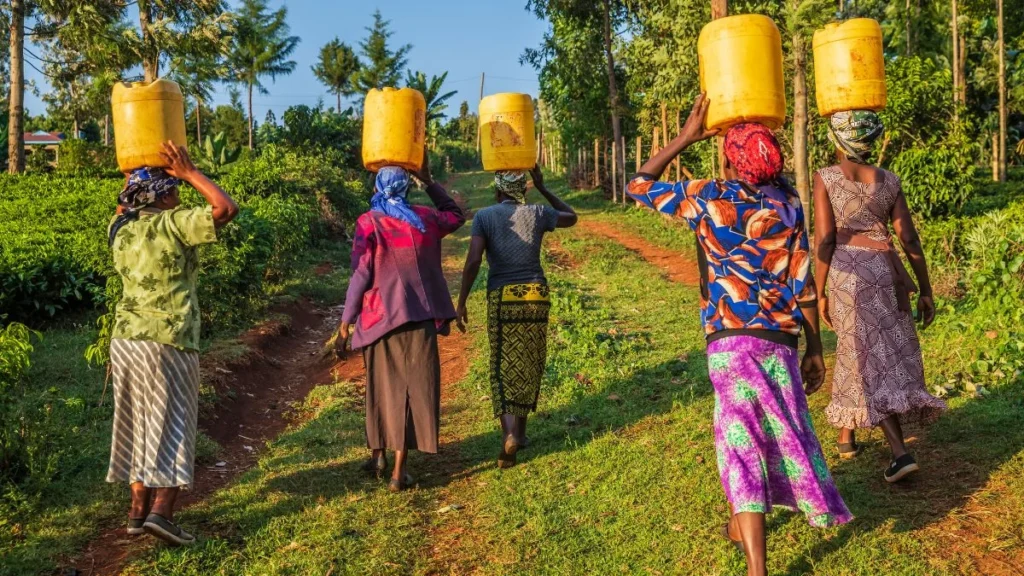
The range of creativity and entrepreneurial energy visible under the MyMadeInKE banner is genuinely extraordinary. Fashion designers producing collections from Kenyan fabrics and serving both local and export markets. Food producers using indigenous Kenyan ingredients to create products that compete with imported alternatives. Artists producing original work in visual, musical, and performing arts disciplines. Technology entrepreneurs building digital products for African markets that global platforms have underserved.
This breadth matters: it positions MyMadeInKE not as a niche crafts campaign but as an articulation of the full range of Kenyan creative and commercial capability. The handmade gifts and artisan craft economy is one dimension of this broader picture, alongside technology, fashion, food, and professional services.
The Economic Logic of Buying Local: Why MyMadeInKE Makes Financial Sense
Beyond cultural pride, MyMadeInKE rests on sound economic logic. Spending on locally produced goods keeps money circulating within the Kenyan economy — employed workers spend at other local businesses, creating multiplier effects that imported goods cannot generate. Local production also builds economic complexity: the more sophisticated the products Kenya can produce and sell, the more resilient its economy becomes to commodity price shocks and import dependency.
Quality concerns that once made local-versus-imported a genuine quality trade-off for many product categories have diminished significantly as Kenyan producers have invested in quality systems, skills development, and technology upgrades. MyMadeInKE products across many categories now compete on quality as well as cultural resonance — the patriotic reason to buy local is reinforced rather than undercut by the product experience.
Digital Community Building: How MyMadeInKE Leverages Social Platforms
The MyMadeInKE community operates primarily through social media platforms — Instagram and Twitter/X for visual product showcase and community conversation, WhatsApp business networks for B2B connection and resource sharing, and YouTube for longer-form content featuring maker stories, production processes, and entrepreneur interviews that build the narrative depth that makes the movement feel substantial rather than superficial.
Challenges Facing the MyMadeInKE Movement
MyMadeInKE faces real challenges alongside its genuine achievements. Consumer price sensitivity remains a significant barrier: locally produced goods frequently cost more than comparable imports, and ideological commitment to local purchasing does not always survive the shock of a significant price differential. Supply consistency is another challenge for smaller artisan producers whose output capacity constraints can disappoint retail partners and consumers. The marketing strategies for community brands that work at small scale require sophisticated adaptation as producers try to grow.
MyMadeInKE and the African Maker Movement: Regional Context
MyMadeInKE participates in a broader pan-African movement toward celebrating and supporting locally made products that has parallel expressions in Nigeria (#MadeInNaija), South Africa (#MadeInSA), and Ghana (#GhanaGoods). These movements share the cultural logic of African self-determination and economic sovereignty while each expressing the specific character and capabilities of their national creative economies. The ancient Nigerian artistry and cultural heritage that movements like these celebrate connects contemporary entrepreneurship to deep cultural roots.
Conclusion: Why #MyMadeInKE Matters Beyond Kenya
#MyMadeInKE matters beyond Kenya’s borders because it demonstrates the viability and power of community-driven brand movements as economic development tools. The model — social media-enabled community building around a shared commitment to local economic investment — is replicable and has been replicated across Africa and beyond. Its success challenges the assumption that global brands automatically outcompete local alternatives, and offers a template for how collective consumer action can shift market dynamics in ways that individual purchase decisions alone cannot achieve.