
The Iberian Peninsula combines fast-moving capitals, coastal cities, historic districts, and regional landscapes that shift noticeably over relatively short distances. Spain and Portugal are closely connected geographically, yet each country maintains distinct rhythms, transport systems, and urban styles. Understanding how to move between them can shape the entire travel experience.
Navigating Spain’s major rail corridors
One of the most important connections within Spain is the train from Madrid to Barcelona, linking the country’s two largest cities in around two and a half hours on high-speed services. Departures from Madrid Puerta de Atocha arrive at Barcelona Sants, both positioned close to central districts. The route crosses central Spain’s wide plains before reaching the denser Mediterranean coastline surrounding Barcelona. Travelling by rail avoids airport transfers and allows passengers to move directly between city centres. High-speed trains are generally punctual and include reserved seating, luggage storage, and onboard facilities suitable for longer journeys. Large windows also make it possible to observe the gradual shift in scenery between inland and coastal regions. This corridor has become central to domestic travel across Spain. It demonstrates how efficiently the country’s rail network connects distant urban centres. At the same time, the journey remains comfortable enough to support slower styles of travel. The route often serves as the backbone of wider Iberian itineraries.
Exploring Portugal’s southern coastline
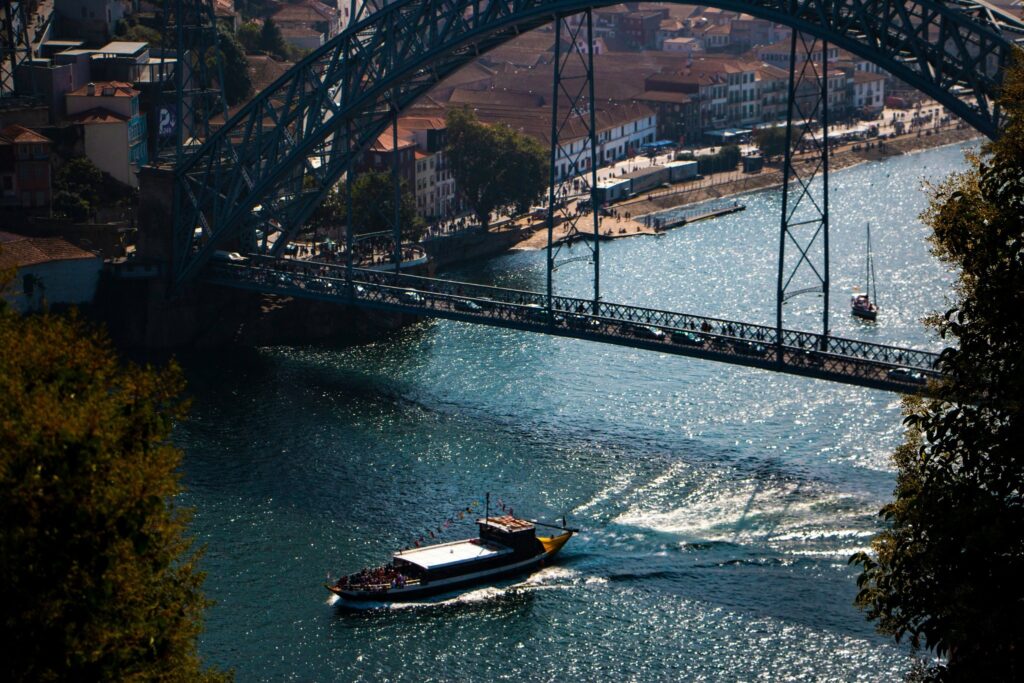
In Portugal, taking a Lisbon to Faro train offers a different type of rail experience, connecting the capital with the Algarve region in approximately three to three and a half hours. Trains depart from Lisboa Oriente Station and arrive at Faro railway station near the southern coast. The route gradually moves away from Lisbon’s urban density into quieter agricultural and coastal landscapes. Compared to Spain’s faster high-speed lines, Portuguese rail services generally operate at a steadier pace, creating a more relaxed atmosphere onboard. Smaller towns and open countryside appear frequently along the journey, especially across the Alentejo region. Rail travel remains one of the easiest ways to reach the Algarve without relying on highways or domestic flights. The continuity of the route also helps travellers experience regional differences more clearly. Portugal’s rail network may be smaller than Spain’s, but it remains highly practical for longer intercity travel. This southern route is particularly popular during warmer months when coastal tourism increases.
Madrid and the centre of Spain
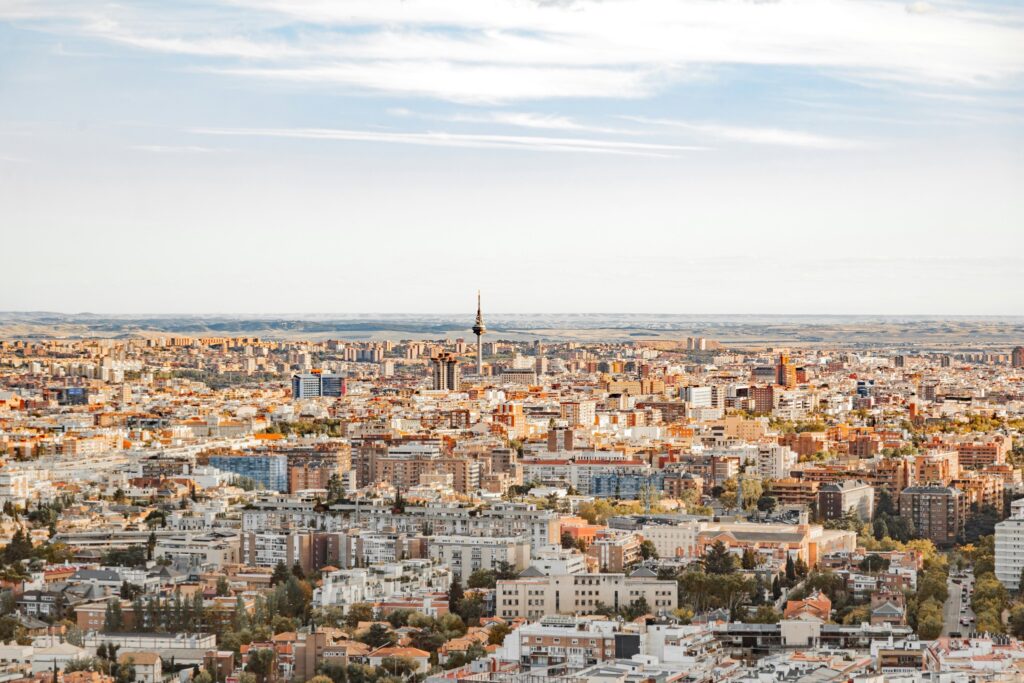
Madrid functions as the geographic and transport centre of Spain, connecting northern, southern, and eastern regions through a highly organised rail network. Broad boulevards, large plazas, and major museums shape much of the city’s central districts. Landmarks such as Prado Museum and Retiro Park remain important cultural and public spaces within the capital. Compared to coastal cities, Madrid feels more formal and administrative in character, particularly during weekdays. The city’s transport infrastructure, including metro and suburban rail systems, supports movement across its large metropolitan area efficiently. Madrid also works well as a base for shorter rail excursions to nearby historic cities. Daily life moves quickly, though quieter neighbourhoods and public parks balance the intensity of the centre. The city introduces visitors to inland Spain’s distinct atmosphere. This contrasts strongly with the Mediterranean and Atlantic coasts. Madrid often becomes the organisational hub of a broader Iberian journey.
Barcelona and Mediterranean energy
Barcelona presents a noticeably different environment shaped by the Mediterranean coastline, regional identity, and a more compact urban structure. Districts such as the Gothic Quarter and Eixample combine historic streets with wide modern avenues designed during later expansions of the city. Landmarks including Sagrada Família and Park Güell reflect the city’s strong architectural identity. Public life extends into beaches, plazas, and outdoor cafés, particularly during warmer seasons. Barcelona’s transport system remains extensive, though many central districts are best explored on foot. Compared to Madrid, the pace feels more open and connected to outdoor spaces. The city’s bilingual environment also introduces another cultural dimension within Spain itself. This regional identity shapes everything from signage to local traditions. Barcelona often feels more internationally oriented while still maintaining strong local character. The contrast with inland Spain becomes immediately visible upon arrival.
Lisbon’s hills and neighbourhood culture
Lisbon is defined by steep streets, viewpoints, tram lines, and districts that preserve strong local identities despite growing tourism. Areas such as Alfama and Bairro Alto remain central to the city’s atmosphere, with narrow streets and historic buildings overlooking the Tagus River. Landmarks including Belém Tower and the Jerónimos Monastery reflect Portugal’s maritime history and former global influence. Lisbon’s layout encourages slower exploration due to its elevation changes and irregular street patterns. Public transport, particularly trams and metro lines, helps connect districts that would otherwise require long uphill walks. Compared to Madrid or Barcelona, Lisbon feels less structured and more geographically shaped by its landscape. The city’s rhythm changes noticeably between daytime and evening hours, especially around public squares and riverside areas. Lisbon balances historical atmosphere with active urban life. It often serves as the cultural centre of Portugal for many visitors.
Faro and the Algarve region
Faro acts as a gateway to Portugal’s southern coastline and the broader Algarve region. While many travellers continue towards beach resorts further west, Faro itself maintains a quieter atmosphere centred around its old town and marina. The city’s pace differs significantly from Lisbon, with smaller streets, lower buildings, and a stronger connection to coastal life. Nearby natural areas such as the Ria Formosa lagoon system introduce landscapes shaped by wetlands, islands, and migratory bird routes. Public transport and regional rail connections make it possible to continue exploring smaller coastal towns without needing a car. Faro also reflects the Algarve’s seasonal rhythms, becoming far busier during summer months. Despite increasing tourism, parts of the historic centre remain relatively calm compared to larger European cities. The city functions best as both a destination and a regional base. It introduces another side of Portugal beyond the major capitals.
Understanding regional differences
One of the most important aspects of travelling through Iberia is recognising how quickly regional identities change between cities and landscapes. Language, architecture, climate, and daily routines vary noticeably even within the same country. Northern and southern Spain differ significantly in atmosphere, while Portugal’s Atlantic orientation creates another contrast altogether. Rail travel makes these transitions more visible because travellers move continuously through changing environments rather than arriving suddenly by plane. Smaller towns, agricultural regions, and industrial areas become part of the broader experience. This gradual movement helps create a stronger sense of connection between destinations. Iberia is often more diverse than first-time visitors expect. Understanding these differences can improve both planning and pacing during longer journeys. The movement between regions becomes as important as the destinations themselves.
Bringing the journey together
Exploring Iberia by rail allows travellers to connect major capitals, coastal regions, and smaller towns through efficient and comfortable transport systems. From Madrid and Barcelona to Lisbon and Faro, each destination introduces a distinct atmosphere while remaining linked through routes that reveal the broader landscapes and cultural diversity of the peninsula.