
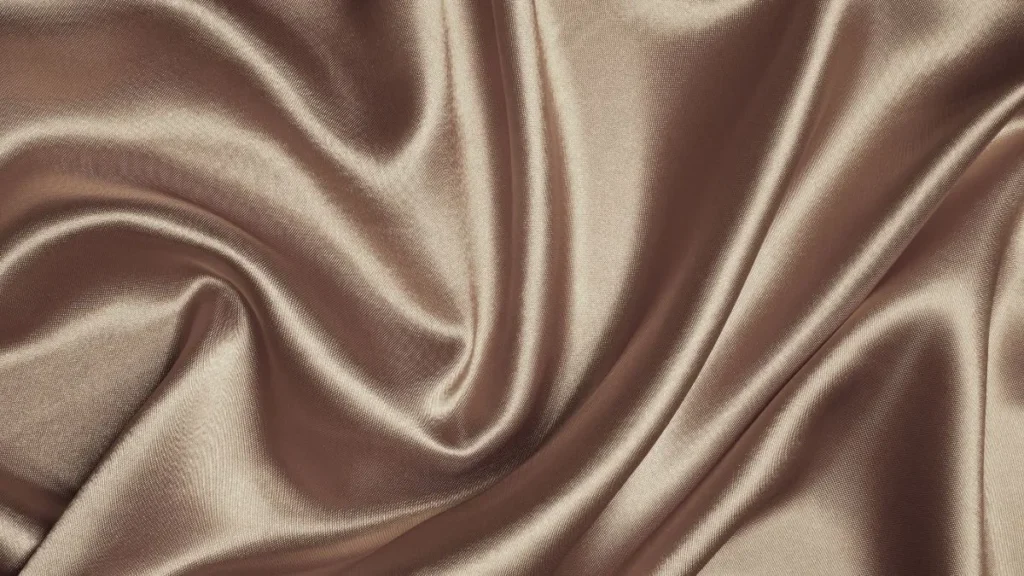
Art silk — short for artificial silk — is a category of synthetic and semi-synthetic fabrics engineered to replicate the visual and tactile qualities of natural silk at a significantly lower cost. Offering the luxurious sheen, fluid drape, and color vibrancy that have made natural silk prized for millennia, art silk has become one of the most widely used fabrics in fashion, home décor, and textile arts worldwide. Understanding the differences between art silk types, their specific properties, and their appropriate uses allows consumers and designers to make informed choices that balance aesthetics, performance, and value. This guide covers everything you need to know about art silk fabric.
What Is Art Silk? Defining the Fabric Category
Art silk is not a single material but a category including several distinct fiber types, each with its own production process, performance characteristics, and aesthetic profile. The three primary art silk materials are:
- Rayon (viscose): the original art silk, developed in the late 19th century by regenerating cellulose from wood pulp. Rayon drapes beautifully and absorbs dye readily, producing the brilliant, saturated colors characteristic of art silk. It is technically a semi-synthetic fabric because its raw material — wood cellulose — is natural.
- Polyester: a fully synthetic silk alternative produced from petroleum-derived polymers. Polyester silk mimics the sheen of natural silk effectively and offers superior durability and wrinkle resistance, though it breathes less well and can feel slightly less natural against the skin.
- Acetate: another cellulose-based semi-synthetic, acetate has a distinctive luxurious drape and excellent color properties but is delicate and requires careful care. It is less common today than rayon or polyester but remains in use for specific high-end fashion applications.
Art Silk vs. Natural Silk: Key Differences
Comparing art silk and natural silk honestly requires acknowledging both genuine differences and the areas where art silk performs impressively well.
Art silk's visual appeal has made it a popular choice in wearable fashion, connecting it naturally to the world of artist-designed apparel and wearable art. The fabric's heritage also links it closely to the weaving traditions explored in ceremonial textile art and cultural fabric heritage.
Natural silk, produced by Bombyx mori silkworms, has a uniquely three-dimensional luster caused by the triangular cross-section of individual silk fibers that reflects light from multiple angles simultaneously. Art silk fabrics typically produce a flatter sheen that, while beautiful, lacks this dimensional quality under close inspection or strong directional lighting. The tactile temperature-regulating properties of natural silk — feeling cool in summer and warm in winter — are also largely absent from synthetic alternatives.
Where silk genuinely competes with natural silk: drape quality in quality rayon art is remarkably similar to natural silk and superior to many lower-grade natural silks; color saturation and consistency in polyester silk often exceed what natural silk achieves; durability and washability are significantly better in most silk types; and price accessibility allows silk to reach markets — including the silk saree market in South Asia — where natural silk would be unaffordable for many consumers.
Art Silk in Fashion: Uses Across Clothing Categories
Art silk fabric is used across virtually every category of fashion garment where natural silk has traditionally appeared:
- Evening and formalwear: the luxurious sheen of quality polyester or rayon art makes it the dominant fabric for affordable formal garments, from prom dresses to wedding party attire.
- Art silk sarees: in the South Asian textile market, silk sarees represent the largest category of art use. Rayon and polyester sarees offer the ceremonial richness of silk aesthetics at accessible price points for everyday formal occasions.
- Blouses and tops: art silk drape qualities make it ideal for flowy blouses, camisoles, and tops where movement and sheen are desired.
- Linings: art silk lining fabrics in jackets and coats provide the smooth, cool-against-skin feel that makes silk lining a luxury marker, at significantly lower cost.
- Scarves and accessories: art silk scarves successfully replicate the lustrous appearance of designer silk scarves while offering greater wash durability.
Caring for Art Silk: What You Need to Know
Care requirements vary significantly between art silk types. Rayon is the most care-intensive: it is prone to shrinking when washed in warm water and can lose its structure if wrung or agitated. Hand washing in cold water or dry cleaning is generally recommended for rayon silk garments. Polyester silk is substantially easier to care for — machine washable on gentle cycles, quick-drying, and resistant to the wrinkling that plagues natural silk and rayon. Acetate silk is the most delicate and typically requires dry cleaning only.
For those interested in how textile materials translate into contemporary fashion and gifting, the handcrafted fabric art at Apripex demonstrates how traditional textile knowledge continues to find new creative applications.
General care principles for all silk types: avoid high heat in both washing and drying, as it can damage the fiber structure and cause permanent deformation. Iron on low heat settings with a pressing cloth, and store away from direct sunlight to prevent color fading.
Art Silk in Home Décor and Textile Arts
Beyond fashion, art silk appears extensively in home décor — window treatments, cushion covers, table runners, bed linens, and upholstery accent pieces. The combination of visual luxury and practical durability that silk offers makes it an excellent choice for decorative applications where natural silk would be prohibitively expensive or insufficiently durable. The traditional textile heritage and craftsmanship that has long used natural silk for ceremonial and decorative textiles is finding new expression in silk production.
In the broader context of fabric and material in decorative art, silk’s combination of aesthetic quality and practical accessibility has made it the dominant material for decorative fabric arts in global markets where natural silk remains a luxury.
Sustainability Considerations: Is Art Silk Environmentally Responsible?
The sustainability profile of silk varies significantly by type. Rayon/viscose production is often criticized for its chemical-intensive process and potential impact on forest resources when not sourced from certified sustainable forestry. More sustainable alternatives include Tencel (lyocell), a rayon variant produced in a closed-loop process with lower environmental impact, and EcoVero rayon certified to stricter environmental standards.
Polyester silk’s petroleum basis creates concerns about microplastic shedding during washing and end-of-life biodegradability. Recycled polyester options address part of this concern by using post-consumer plastic bottles as raw material rather than virgin petroleum. The sustainability conversation in synthetic textiles is evolving rapidly, and silk producers are increasingly offering more responsible options as consumer awareness grows.
Conclusion: Art Silk’s Place in the Modern Textile World
Art silk has earned its place in the modern textile ecosystem not by perfectly replacing natural silk but by making silk-aesthetic fabric accessible at every price point, in forms that offer practical advantages natural silk cannot match. For consumers who understand what silk is and what it does well, it provides exceptional value — the luxury look without the luxury price tag, in a product that is typically more durable and easier to care for than the original it emulates.



