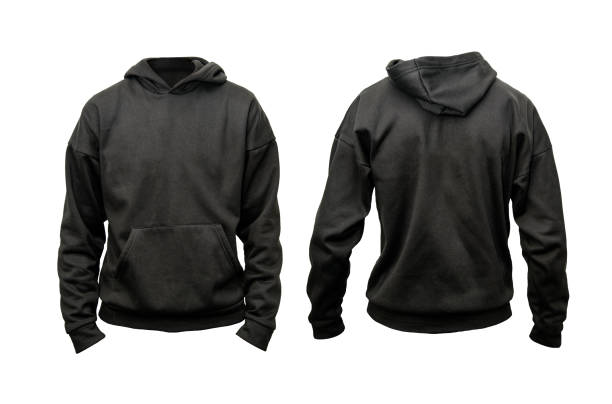
The hoodie has no more cultural significance than any other garment in the hip-hop fashion scene. However, when that hoodie has the picture of a masked bad guy of the most mysterious underground rap artist, it turns into a symbol of subcultural identity. MF DOOM hoodies are no longer just a product, but a way of belonging, taste and statement of values in an otherwise mainstream vs. underground music culture.
The Hoodie: Hip Hop’s Unofficial Uniform
We should first learn the importance of MF DOOM hoodies by first identifying the key role of the hoodie in hip hop culture. The hoodie symbolizes comfort, anonymity, and rebellion since the genre was first introduced in the Bronx. It is the one that was keeping B-boys warm in the late-night sessions, which enabled graffiti writers to roam free in the city, which served as a canvas for expressing oneself with customization and brand choice.
The hip hop hoodies changed their purpose of use and became a part of culture. They were symbols of accessibility, the opposite of costly leather jackets or designer ones; hoodies were accessible and affordable. They were liberal and were worn by all bedroom producers and stadium-filling superstars. The hoodie became the leveler of the hip hop world, a piece of clothing that can be worn by anyone, despite their economic status, yet they are given a chance to express themselves through the way it fits, the color, and the design.
By the time MF DOOM came to the scene in the late 1990s, the hoodie was part of the hip hop DNA. But the way DOOM dresses, as he dresses like he plays music, would recontextualize the meaning of these clothes.
DOOM’s Design Philosophy: Subtlety Meets Symbolism
The most striking thing about MF Doom hoodie design is the fact that it does not shout at all. In contrast to the mainstream artist merchandise, where the tour schedule and corporate slogans are pasted, DOOM-inspired hoodies are few and far between in terms of their minimalism and conceptualism. The designs are usually characterized by the famous metal mask, comic book typography or coded symbols to his vast catalog- things that only fans will instantly identify.
Such insider style generates a kind of cultural gatekeeping that fans do like. Being able to wear a DOOM hoodie is not about advertising to the world that one is a fan; it is about identifying oneself as a part of a certain group. When you see a guy in a Madvillain illustration or an allusion to Special Herbs, you know it immediately, you have a hindsight, a non-verbal slight that you were in the same underground system.
This philosophy of aesthetics is reflected in the color palettes of real MF Doom clothing. Dark blacks, armed greens, dull grays, and the flash of metallic silver or gold here and there, these are not the flashy, eye-catching colors of the mainstream retail. They are the colors of old comic books, late-night studio times and the underground. They are used as independent street wear, not necessarily as fan wear.
Fashion as Identity: Why Fans Choose DOOM
The interaction between the audience and the music merchandise has always been a complicated issue, and the audience of DOOM takes a different approach to it. To most of them, when they decide to buy MF Doom hoodies, it is not only a decision to invest in an artist but one that sets oneself in a line with a particular set of values: artistic integrity instead of commercial success, substance over style, mystery over celebrity.
The mainstream rap is usually seen as alienating underground hip hop fans who despise materialism and status symbols. DOOM provided a different story in which smarts, invention, and genuineness were more crucial than record sales and lines of diamonds. This philosophy found expression in his hoodies. It is said that they do not subscribe to the hype; they appreciate the art.
This relationship between fashion and identity is deep in the DOOM community. According to fans, they really feel different when they put on DOOM gear, more creative, more related to underground culture, more a part of something significant. The hoodie is armor in the same way that the mask in DOOM was armor, which shields the true identity of the wearer and gives a public identity that is well thought out.
The Underground Fashion Economy
The MF Doom merchandise market is not like the usual artist merch. Due to the fact that DOOM exercised a very strong command over his image, as well as kept the number of official releases to a minimum throughout his life, scarcity became an element of the attraction. Convincing real cultural value, vintage DOOM hoodies from certain tours or partnerships are sold in the resale markets at high prices, not due to the fake hype.
The scarcity model affected the way young artists and independent record labels conceptualize merchandise. Scarcity, designers only, and quality instead of quantity- these are the tenets that DOOM applied, which have become the norm of underground hip hop fashion. Fans got used to appreciating the works that were different, not mass-produced, and took certain efforts to get them instead of being available everywhere.
The secondary market also formed a subculture of fans and amateurs who collect, sell and talk about DOOM paraphernalia with the same enthusiasm as they do talk about his music. The presence of online forums and social media groups that are devoted to the verification of the authentic MF Doom merch gives an idea of how seriously the fans view the cultural identity of such clothes.
Hoodies as Cultural Currency
Streetwear is the culture where what you know is what you wear. A carefully selected DOOM hoodie does communicate a certain level of cultural literacy: you know a thing about underground hip hop history, you joy in conceptual art, you belong to a subculture that believes in substance. This cultural currency is important in the areas that mainstream fashion has never reached: independent record stores, underground shows, creative studios, and online communities.
Streetwear hoodies of big companies may indicate economic standing or fashion consciousness, a DOOM hoodie indicates otherwise: it is all about taste, knowing, and adherence to the subculture. It is a discussion opener amongst people who agree and a filter to those who do not see the allusion.
Such an act as a cultural currency has been aggravated since the death of DOOM in 2020. The vintage work has turned into a relic, a physical linkage to an artist who believed in mystery and evasiveness. New releases have a weight to them, with each of them likely being the final official design, with each of them being a method of preserving the aesthetic philosophy of DOOM.
The Design Elements That Define DOOM Style
There are several visual cues that MF Doom shirt and hoodie designs instantly identifiable. The mask art has been photorealistic to stylized illustrations, each treatment of the mask giving some depth to the villain’s mythology. Typography selections regularly allude to old comic books or pulp fiction, fonts that are banged up and real, as opposed to computer-generated to perfection.
The color-blocking designs of DOOM hoodies tend to replicate his sampling strategy, or erring parts and fusing them into a single whole. A hoodie could have panels of other fabrics or unconventional color schemes that complement each other, not in a coordinated manner, but in a well-considered way.
It also depends on the positioning of graphics. Instead of huge chest prints or oversized back graphics prevalent in the average fashion, DOOM work tends to have smaller, more strategically located details, a mask on the sleeve, text along the hood collar, and little details that can be easily missed without scrutiny. This constraint in design causes the pieces to be more adaptive to everyday style instead of being used as concert attire.
Legacy Through Fabric
The many years of popularity of MF DOOM hoodies show that there is something basic to the interaction between music and fashion in the underground culture. These are not one-time use tour shirts or advertising gifts. They are well-crafted merchandise that expands the artistic vision of DOOM into a physical garment so that his fans would be able to bring his philosophy into their lives.
With each new generation coming across the music of DOOM, they also come across his style in fashion, which was conceptual, authentic, and uncompromising. The hoodies are gateways to the underworld, wearable lessons on how to value art over consumerism, over spectacle, over substance.
Ultimately, the MF DOOM hoodies became a part of the underground hip hop subculture as they contain all the qualities that the underground is about: authenticity, smarts, community, and nonconformity to mainstream culture at the expense of artistic integrity. Whenever one is pulling that hoodie, it is not merely keeping them warm but also stating the way the music and culture ought to be.
4 FAQs About MF DOOM Hoodies
1. What makes MF DOOM hoodie designs unique compared to other hip hop merchandise?
The designs of MF DOOM hoodies are unique in their focus on subtlety and conceptual richness, and insider references instead of direct branding. In contrast to the hip hop products that tend to be filled with big logos and numerous bright colors, DOOM merchandise designs tend to be based on a very subdued color scheme, minimalist graphics, and allusions that only the most devoted fans can identify, such as the iconic mask, Madvillain imagery, or hidden references to their album titles. The designs serve as a standalone streetwear item and also as a cultural indicator without the appearance of a tour shirt, but rather wearable art that embodies the philosophical outlook of DOOM towards music and identity.
2. Why are vintage MF DOOM hoodies so valuable in resale markets?
Vintage DOOM hoodies are sold at high prices as they capture cultural moments and authenticity and have no associated hype. Throughout his life, DOOM strictly kept official releases and production runs very small, so real vintage pieces are really rare. Also, all of them are linked to a certain period of his career, Operation: Doomsday, Madvillainy, or any of the collaborations, which provides them with historical value rather than just collectibility. Being cultural artifacts and pieces of tangible links to an artist who appreciated mystery and authenticity, these pieces are particularly significant to people in the collecting and the fan communities since he died in 2020.
3. How do MF DOOM hoodies fit into broader streetwear culture?
MF DOOM hoodies have their own place in the streetwear culture as the clothes that value cultural knowledge and artistic integrity over brand recognition or fashion-following. They target the same crowd that respects the independent street wear brand, retro products, and underground fashion- those who perceive fashion as a continuation of their self but not merely a garment. The hoodies operate in the atmosphere of layering in the realm of streetwear, typically being filled with good construction and considerate details, and thus not items of statement. They have shaped the way independent labels and underground artists are putting together their merchandise, proving that less is more and that conceptual design, quality over quantity, can establish a deeper connection with the fan than mass production.
4. Are there differences between official MF DOOM clothing and unofficial designs?
There are, indeed, substantial distinctions between license and unlicensed merchandise of DOOM. Formal works are characterized by a better choice of materials, more considerate design, and visuals reflecting a true depiction of the artistic vision and aesthetic philosophy of DOOM. They usually contain adequate information on licensing and are distributed in trustworthy channels. Unofficial designs, though occasionally creative, often adopt inferior printing techniques, wrong colour palette, or generic mask designs that fail to convey the distinct visual lexicon of DOOM. The underground community places a lot of importance on authenticity, hence official merchandise has more cultural currency and reflects more on the heritage of an artist. Resellers have come up with a close understanding of legitimate releases in order to differentiate between original works and counterfeits in the resale markets.